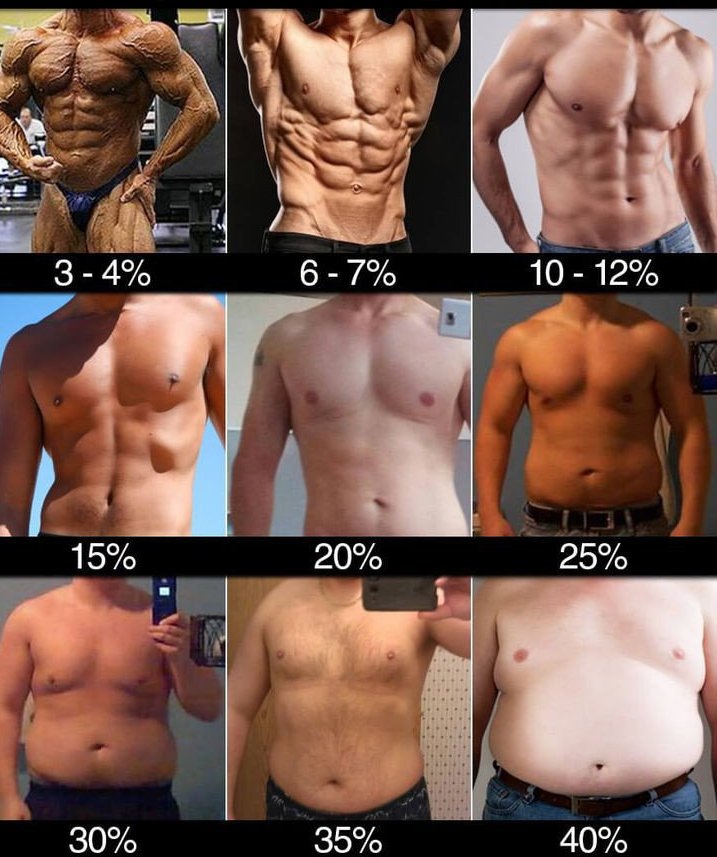
Introduction
In today’s health-conscious society, body composition plays a crucial role in determining overall well-being. One of the key metrics used to assess body composition is body fat percentage. Understanding your body fat percentage is essential for managing your health, achieving fitness goals, and making informed decisions about your lifestyle. In this comprehensive guide, we will delve into the importance of body fat percentage, how to measure it, what is considered healthy, and tips for managing it effectively.
## What is Body Fat Percentage?
Body fat percentage refers to the proportion of your total body weight that is comprised of fat tissue. It is a more accurate indicator of your overall health and fitness level than just measuring your weight. A person’s body fat percentage reflects the amount of fat mass relative to lean mass (muscle, bones, organs, etc.).
## Why Is Body Fat Percentage Important?
1. Health Indicator: High body fat percentage is associated with an increased risk of chronic diseases such as heart disease, diabetes, and certain types of cancer. Monitoring your body fat percentage can help you gauge your risk for these conditions.
2. Fitness Goals: Whether you’re looking to lose weight, gain muscle, or improve athletic performance, knowing your body fat percentage can guide your fitness and nutrition plans.
3. Aesthetic Goals: Many individuals aim to achieve a specific look or physique. Body fat percentage is a better reflection of physical appearance than weight alone.
## How to Measure Body Fat Percentage
There are several methods to measure body fat percentage, each with varying levels of accuracy and complexity:
1. **Skinfold Calipers**: This method involves measuring the thickness of subcutaneous fat at multiple points on the body. The measurements are then used to estimate body fat percentage.
2. **Bioelectrical Impedance Analysis (BIA)**: BIA machines use a low-level electrical current to measure resistance in the body. This resistance is used to estimate body fat percentage.
3. **Dual-Energy X-ray Absorptiometry (DXA)**: DXA scans provide highly accurate results by measuring bone density, lean tissue, and fat mass. However, it can be expensive and is often used in clinical settings.
4. **Hydrostatic Weighing**: This method involves immersing the body in water to measure its density. It’s a highly accurate method but can be inconvenient and expensive.
5. **Air Displacement Plethysmography (Bod Pod)**: Similar to hydrostatic weighing, the Bod Pod measures body density using air displacement. It’s non-invasive and relatively accurate.
6. **Infrared Interactance**: This method uses infrared light to estimate body composition. It’s non-invasive but can be less accurate.
7. **3D Body Scanners**: Some fitness centers and medical facilities use 3D body scanners to estimate body fat percentage by creating a 3D image of your body.
8. **Smart Scales**: Modern smart scales often come with BIA technology to estimate body fat percentage. While convenient, they may not be as accurate as other methods.
## What is a Healthy Body Fat Percentage?
The ideal body fat percentage varies by age, gender, and individual goals. However, here are some general guidelines:
– For men, 6-24% body fat is considered healthy, with 10-20% being ideal.
– For women, 16-30% body fat is considered healthy, with 18-28% being ideal.
Remember, too low of a body fat percentage can also be detrimental to health, especially for women, as it can lead to hormonal imbalances.
## Managing Body Fat Percentage
If you want to change your body fat percentage, the key factors to consider are diet and exercise:
1. **Balanced Diet**: Consume a diet rich in whole foods, lean proteins, complex carbohydrates, and healthy fats. Be mindful of calorie intake and maintain a moderate, sustainable deficit if you’re looking to lose fat.
2. **Regular Exercise**: A combination of strength training and cardiovascular exercise can help you reduce body fat and build lean muscle.
3. **Hydration**: Staying well-hydrated is essential for overall health and can support your body in fat metabolism.
4. **Sleep and Stress**: Prioritize sleep and manage stress, as both play a significant role in hormonal balance, which can impact body fat.
5. **Consistency**: Be patient and consistent with your efforts. Measuring your progress over time is more important than day-to-day fluctuations.
6. **Consult a Professional**: If you’re unsure about your body fat percentage or how to manage it, consult a healthcare professional or a certified fitness trainer.
## Conclusion
Understanding your body fat percentage is a valuable tool for monitoring your health and achieving your fitness goals. While it’s just one piece of the puzzle, it offers a more complete picture of your body composition than weight alone. By using the methods mentioned in this guide and following a balanced approach to nutrition and exercise, you can work towards a healthy and sustainable body fat percentage that supports your overall well-being. Remember that the journey to a healthier you is a marathon, not a sprint.